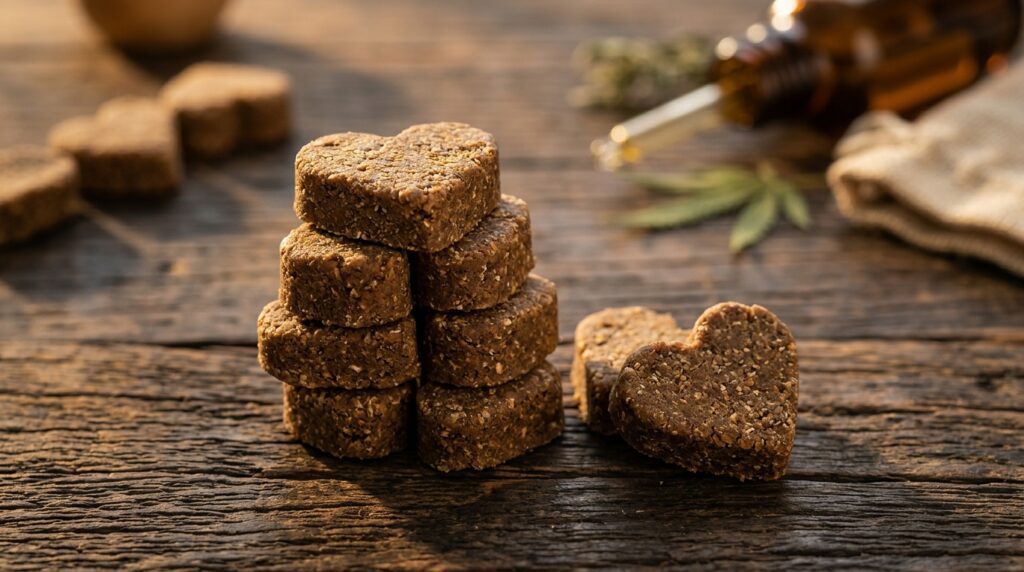
Most mistakes with pet products happen at the shelf, not at home. A busy shopper grabs the bag with the nicest label, a friend mentions a brand, and a dog ends up with something that was never checked against a single standard.
Veterinary offices see the results. Calls to poison hotlines, odd lab values, and dogs that wobble across the kitchen floor all trace back to avoidable errors with supplements and treats.
CBD dog treats carry a few risks of their own, since the category is young and lightly regulated. The eight mistakes below come up most often, along with a plain fix for each.
Mistakes at the Store
1. Grabbing a Human Product
Human CBD gummies and chocolates sit on shelves right next to pet treats, and some owners reason that a smaller piece works for a dog. That shortcut hides two hazards. Sugar-free human gummies are sometimes sweetened with xylitol, which is toxic to dogs. According to the Pet Poison Helpline, as little as 0.1 gram per kilogram of body weight can cause a dangerous drop in blood sugar, and larger amounts can cause liver failure. Chocolate-coated products add theobromine to the problem.
Fix: buy products made for dogs, and read the full ingredient list before the first bite.
2. Trusting the Front of the Bag
A big number and a leaf graphic say nothing about what is inside. A 2017 study in JAMA, led by Marcel Bonn-Miller, tested 84 CBD products sold online. About 43 percent held more CBD than the label stated, roughly 26 percent held less, and THC showed up in about 21 percent. The study covered products for people, and a comparable audit of pet products does not exist at that scale.
Fix: look for a certificate of analysis from an independent lab, with a batch number that matches the bag. A missing report is a reason to put the bag back.
3. Confusing Hemp Oil and Hemp Extract
This one is quick and common. Hemp seed oil comes from pressed seeds and holds little to no CBD. CBD comes from other parts of the plant and usually appears on labels as hemp extract, cannabidiol, or a milligram count. A product that lists only “hemp oil” and talks about wellness may contain none of the compound the shopper wanted.
Fix: find the CBD amount in milligrams on the front or back panel, then check it against the lab report.
Mistakes at Home
4. Assuming More Is Better
Dosing in dog studies has been measured per kilogram of body weight, and the amounts are large compared to typical treats. In the 2018 Cornell University trial published in Frontiers in Veterinary Science, dogs with osteoarthritis got 2 mg per kilogram twice daily for four weeks. A 10-kilogram dog on that plan would receive 20 mg per dose. Alkaline phosphatase, a liver enzyme, went up in the dogs that took CBD.
Piling on extra treats will not turn a weak product into a strong one, and it can add calories, upset stomachs, and liver strain. No approved dose exists for any condition, because the FDA has not approved a CBD product for animals.
Fix: follow the amount a veterinarian sets for the individual dog. Write the number down and keep to it.
5. Skipping the Medication Conversation
CBD interacts with the liver enzymes that break down many drugs. In human medicine, it is known to inhibit some of them, which can raise levels of other medications in the blood. Dogs on seizure medication, anti-inflammatories, heart drugs, or thyroid pills deserve extra attention. How much the small amounts in treats matter has not been studied well in dogs, which is exactly why guessing is risky.
Fix: hand the vet a list of everything the dog takes, supplements included, before adding anything new.
6. Ignoring Calories
Treats count as food. The Association for Pet Obesity Prevention’s 2022 survey found that 59 percent of dogs in the United States were overweight or obese. Veterinarians commonly advise keeping treats at or below 10 percent of daily calories. A dog that gets a CBD treat in the morning, a dental chew at lunch, and a few training rewards in the evening can overshoot without anyone noticing.
Extra weight also loads the joints, which is a bad trade for an owner who bought treats hoping to help a stiff dog move better.
Fix: subtract the treat calories from the meal portion and check the dog’s weight every month.
Mistakes With Expectations
7. Expecting Fast Results From a Treat
Marketing copy often suggests that calm or comfort arrives within minutes. The research does not say that. The Cornell trial lasted four weeks, and the Colorado State epilepsy trial published in the Journal of the American Veterinary Medical Association in 2019 ran for 12 weeks and had mixed findings. Both studies used oil with measured doses and veterinary oversight.
Owner reports are hard to judge. People tend to notice improvement when they expect it, and a placebo effect has been documented in many pet studies. A simple daily log of appetite, movement, sleep, and stool quality is a better yardstick than memory.
Fix: keep a log for several weeks and share it at the next vet visit.
8. Treating a Symptom Without a Diagnosis
Limping, restlessness, scratching, and sudden fear all have many causes. Pain, infection, thyroid disease, dental trouble, and cognitive decline can look alike from the couch. A treat will not sort them out, and a dog that seems a little calmer may still have an untreated problem.
Fix: book an exam first. Proven options such as dog-specific NSAIDs, the monthly osteoarthritis injection Librela (approved by the FDA in 2023), behavior training, and approved anxiety medication all begin with a diagnosis.
Mistakes That Land Dogs in the Emergency Room
The first group of mistakes wastes money. This group can hurt a dog.
THC Exposure
THC is the compound that causes intoxication, and dogs are more sensitive to it than people. A study led by Stacy Meola at Colorado State University, published in 2012 in the Journal of Veterinary Emergency and Critical Care, reviewed 125 dogs with marijuana toxicosis between 2005 and 2010. Case numbers rose as medical marijuana became more available, and two dogs died after eating edible products made with concentrated butter.
Full-spectrum treats can carry trace THC, and a dog that raids a bag can take in far more than a measured dose. Signs include a wobbly walk, dribbling urine, drooling, vomiting, slow breathing, and unusual sleepiness.
Open Bags and Unlocked Cabinets
Treats are made to smell good. A dog that finds an open bag can eat the entire contents in minutes. Storing treats in a sealed container on a high shelf, away from counters and low drawers, prevents most of these cases.
If a dog eats a large amount, a call to a veterinarian, the ASPCA Animal Poison Control Center, or the Pet Poison Helpline is the next step. The package, with its label and batch number, should go along.
What to Do After a Slip
Mistakes happen, and a calm response matters more than guilt. A dog that gets too many treats in one day usually needs water, a quiet evening, and close watching. A dog that shows wobbling, heavy drooling, repeated vomiting, or trouble standing needs a clinic, and the trip should not wait for signs to fade on their own.
Useful details to have ready when calling: the dog’s weight, the product name, the CBD and THC amounts on the label, how many treats were eaten, and the time of the meal. A photo of the ingredient list on a phone saves minutes during a stressful call. Dogs that already take medication or have liver or kidney disease should be flagged to the vet right away.
Once the dog is stable, the bag can be sealed and kept for reference. Batch numbers help a veterinarian or manufacturer trace a problem, and a short note about what happened helps prevent a repeat.
Quick Reference
| Mistake | Better move |
|---|---|
| Using human gummies | Buy dog-specific treats, check for xylitol |
| Trusting the front label | Read the batch lab report |
| Confusing hemp oil with hemp extract | Look for milligrams of CBD |
| Giving extra treats | Follow the veterinarian’s amount |
| Skipping the medication check | Share a full list with the vet |
| Ignoring calories | Count treats within the 10 percent guideline |
| Expecting instant results | Keep a log over weeks |
| Skipping the diagnosis | Book an exam first |
Short FAQ
Can a dog take a human CBD gummy?
Human gummies can contain xylitol, chocolate, or high doses that were never meant for a dog. Dog-specific products are a safer starting point.
How can a lab report be verified?
The batch number on the report should match the bag, and the lab should be accredited to ISO/IEC 17025. A phone number or website for the lab is another good sign.
Do vets recommend CBD treats?
Opinions vary. The FDA has not approved CBD for animals, and some veterinarians discuss it while others decline. A direct conversation with the dog’s own vet is the best guide.
What if a dog seems sleepy after a treat?
Drowsiness has appeared in some CBD studies. Strong sleepiness, wobbling, or vomiting calls for a vet.
Final Thoughts
Most problems with CBD dog treats start with skipped steps, such as a missing lab report, an unchecked ingredient list, or a dose set by guesswork. A short routine of label reading, vet input, and careful storage prevents nearly all of them.